The State of Benefits in 2026
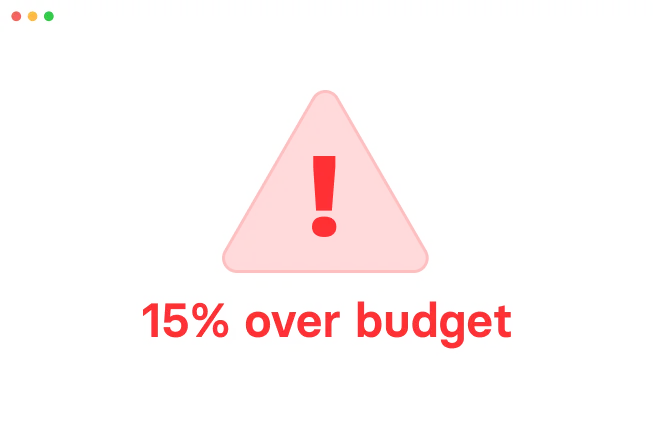
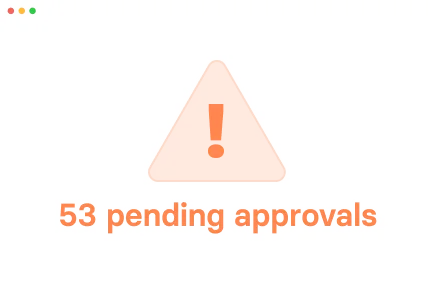
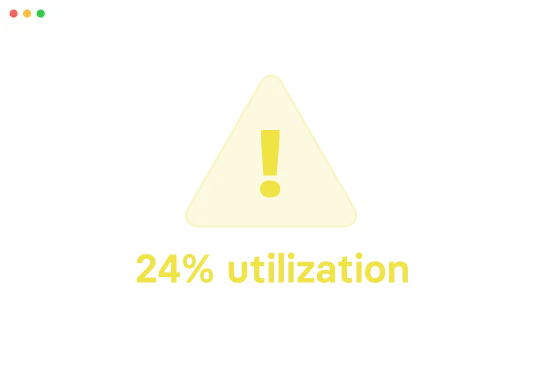
Unpredictable utilization is the biggest budget risk for employers in 2026.
Employee benefits are becoming harder to manage as costs rise and new categories of support emerge.
Employers are expected to cover a wider range of needs, often across fragmented systems, that were never designed for flexibility or financial control.
As utilization becomes less predictable, employers have fewer ways to monitor spending or set meaningful limits before costs escalate. To stay within budget, employers need real-time visibility and clear spending limits, managing benefits with the same rigor as financial capital.


About the Data
Together, these organizations represent a broad cross-section of employers navigating rising healthcare costs, hybrid work, and increasing pressure to do more with fixed benefit budgets.
customers analyzed
countries represented
Executive Takeaways






Defined contribution = flexible capital
Fund and manage spending accounts to evolve coverage without vendor changes or disruption.

Consolidation drives engagement
One platform for all benefits spending increases awareness, simplicity, and usage.

The card-first imperative
Immediate, point-of-purchase access reduces claims friction and administrative burden.
Market Signals Shaping Employee Benefits
Fragmented benefits systems plus rising employee expectations are forcing employers to rethink how they structure and deliver benefits.
Sources: (1) WTW Benefits Trends Survey, 2025, (2) PwC Employer Benefits Perspective Survey, 2024, (3) Bank of America Employee Financial Wellness Survey, 2025
5 benefit trends in 2026
Trend 1
Amid Rising Healthcare Costs, FSAs Matter More Than Ever
Healthcare costs continue to climb, and employers are shifting more of that burden to employees through higher premiums, deductibles, and copays. As out-of-pocket expenses rise, employees rely more on FSAs to cover everyday healthcare expenses.
Lower Employee Forfeiture
Employees on Benepass use the majority of their FSA funds. A strong education strategy and card-first experience drive a 75% reduction in unused FSA dollars compared to the industry average.
*2025 forfeiture data available April 2026
GLP-1s and Pre-Tax Accounts
Employees are already using their FSA and HSA funds to pay for GLP-1 medications. From December 2025 through February 2026, Benepass data shows a 61% increase in dollars spent at LillyDirect and NovoCare through their preferred dispensing pharmacies.
increase in dollars spent
Manage Rising Healthcare Costs
When healthcare costs rise, maximizing pre-tax dollars is one of the fastest ways to protect employee take-home pay.
1
House FSA and HSA accounts on one platform to simplify administration.
2
Use rollover-friendly designs to reduce forfeiture concerns.
3
Partner with a vendor that prioritizes education and offers a card-first experience to drive year-round utilization.
4
Implement a Weight Health HRA to expand GLP-1 access and contain costs. FSAs and HSAs will support out-of-pocket expenses.
Trend 2
The New Commuter Reality in a Hybrid World
Hybrid work has permanently reshaped commuting. Many employees no longer commute five days a week, Flexibility, not fixed perks, has become the baseline expectation for commuter benefits.
Employers are increasingly combining parking and transit benefits up to the IRS maximum, allowing employees to switch between modes based on their weekly schedule.
This split reflects true hybrid behavior:
As return-to-office (RTO) mandates become more enforced, employers are layering in different supports to ease financial burden.
This matters particularly for women, for whom RTO requirements are the leading driver of workforce exit.
Top contributing industries
Commuter pre-tax subsidies are ideal for workforces concentrated in urban areas with heavy transit
Commuter Lifestyle Spending Accounts (LSAs) are ideal for distributed workforces with diverse needs (gas, tolls, rideshares, bikes) who seek a modern, personalized perk beyond IRS-eligible transportation costs.
It is a retention, equity, and RTO lever.
17% of Benepass employers now offer Commuter LSAs extending support beyond IRS pre-tax limits
1
Consolidate parking and transit benefits to support hybrid commuters.
2
Offer subsidies and post-tax options for expenses outside IRS limits.
Trend 3
LSA Budgets Are Resetting And Diversifying
Lifestyle Spending Accounts have evolved from niche perks into a core strategy for financial control. Unlike point solutions, LSAs create a defined budget ceiling that protects employers from underutilization and unexpected overruns.
Employees actively use their LSA funds.
Employers are reallocating dollars with more intention
1
General LSAs remain foundational, offering broad flexibility within a fixed budget.
2
Wellness and Professional Development remain some of the most common specialized LSAs driving strong, consistent utilization across workforces.
3
Rewards and Recognition LSAs are up 2.7x year over year, signaling retention as a growing priority.
4
Work from Home (WFH) and Hybrid Support LSAs remain important, delivering ROI through high utilization, tax efficiencies, and reduced administrative lift by replacing manual expense tools.
Five Most Popular Lifestyle Spending Accounts (LSAs) Offered:
Optimize LSA Design
Use LSAs as financial guardrails. Set firm budget ceilings, reduce clawbacks, and evolve eligible categories to match current employee priorities.
1
Replace general-purpose LSAs with targeted alternatives to understand what your employees truly value.
Trend 4
Financial Stress Is Reshaping Total Rewards
Financial stress is changing how employees experience compensation.
Alongside traditional benefits like retirement planning, employers are expanding LSAs to help employees cover their regular expenses.
39% of employers now offer some form of Income Supplement LSA, including:




Rather than generic stipends, these programs focus on the specific cost pressures employees face today. Income Supplement LSAs also help employers meet growing pay transparency expectations.
Address Financial Stress
Unlike modest pay increases that are absorbed by taxes and inflation, LSAs that supplement income create clear, designated dollars employees associate directly with their employer’s investment in their financial well-being.
1
Treat income supplements as a core total rewards lever, not a fringe perk.
2
Prioritize programs that address basic needs first, then layer in the long-term benefits.
3
Design LSAs that relieve at-home stressors like childcare and cleaning, so employees stay focused and productive at work.
Trend 5
Global Consolidation and Card-First Delivery Drive Engagement
Employees use benefits when they’re simple, visible, and easy to access. Utilization shows how much of a benefit employees actually use.
The data confirms it: utilization is highest when benefits are consolidated. Employees are more likely to engage with their FSA when an LSA is also available.
Overall Utilization*
*2025 annual utilization data available April 2026
For global workforces in particular, bringing FSAs, LSAs, and other accounts onto a single platform reduces confusion across countries, currencies, and benefit types.
LSA Global Card Utilization
Convenience is critical, especially for global and distributed teams. Employees overwhelmingly prefer physical and virtual cards with chip and tap-to-pay functionality over traditional reimbursement processes.
Across regions, most benefit dollars are spent on the Benepass VISA card. A card-first experience reduces out-of-pocket expenses and makes benefits easier to use worldwide.
Consolidate To Drive Utilization
A connected benefits ecosystem reduces claims dependency, ensures accurate spend, and gives employees confidence at the point of purchase.
1
Consolidate your pre-tax and post-tax spending accounts
2
Deploy a card-first experience to make benefits simple, seamless, and globally accessible.
Benefits in 2026 are no longer just a perk. They’re a strategic financial asset.
Retain an engaged workforce by reducing benefits complexity, moving programs card-first, and designing benefits that flex across hybrid and global workforces.