In this post
Lorem ipsum dolor sit amet
Lorem ipsum dolor sit amet
There are far more benefits worth offering than any budget can fund. The 2025 SHRM Employee Benefits Survey lists more than 200 distinct benefits, and every one has a vendor making the case for why you can't skip it. The goal of a benefits leader is to pick a handful of benefits your specific workforce will use, fund them well, and be able to explain the choices when finance asks.
That last part is where benefits decisions get hard. A benefit nobody uses stops being a perk and becomes a line item you have to defend at renewal. Understanding how to choose employee benefits means matching real employee needs to business goals, rather than adding offerings because a competitor has them or a survey says they're trending. Here's how to make those choices and stand behind them.
What to consider before choosing employee benefits
Before you evaluate a single benefit, get clear on the four inputs that should drive every decision. Skipping this step is how companies end up with packages that look generous on paper and go mostly unused.
- Budget and cost per employee. Know your total benefits spend and what you're already paying per head before you add anything. New benefits compete with existing ones for the same dollars, so a clear number tells you whether you're choosing between options or stacking them.
- Workforce demographics and needs. A workforce of early-career hires, working parents, and people nearing retirement wants very different things. The benefit a 26-year-old values most is rarely the one a 52-year-old values most, and a single package has to account for that spread.
- Business and employee retention goals. Benefits packages are a tool for specific outcomes, whether that's lowering voluntary turnover in a hard-to-fill role, competing for talent against larger employers, or supporting a distributed team. Tie each choice to a goal you can name.
- Compliance requirements. Some benefits are legally required, and others carry tax or reporting rules that shape how you administer them. Knowing these constraints up front keeps a promising option from becoming an administrative problem later.
One input matters more than people expect: actual employee feedback. Assumptions about what your team wants are how a used benefit becomes a wasted one. The SHRM data shows healthcare ranks as the most important category for 88% of organizations, but below that, priorities split. Flexible work, family care, and professional development each matter intensely to some groups and barely register with others.
Surveys, focus groups, and one-on-one conversations tell you which groups you actually have, so you fund what people will use instead of guessing. Our guide to employee benefits benchmarking covers how to gather and apply this input.

How to choose the right employee benefits
With those inputs in hand, you can work through a repeatable process rather than reacting to whatever vendor reached you most recently. The five steps below apply to any benefit decision and hold up when leadership asks you to defend it.
Define your budget and cost per employee
Start with the number. Calculate your total benefits spend and divide by headcount to get your real cost per employee. This is the figure every decision gets measured against, and the one finance asks about first.
From there, separate what you're committed to from what's discretionary. Legally required benefits and core coverage come out first, and what remains is the budget you actually choose. Knowing that number forces every new option to earn its place rather than being weighed in the abstract. For a peer benchmark, our breakdown of the average cost of benefits per employee gives you a starting reference.
Survey employees and segment by need
Once you know what you can spend, find out what your people actually want. Send an anonymous survey covering the categories you're considering, then segment the results by the groups you employ rather than reading a single average.
Segmentation is what makes this useful. A company-wide average can hide that 40% of your workforce wants childcare support, while another 40% would never touch it. The same goes for life insurance, disability insurance, gym membership retention, tuition reimbursement, and more. Break responses down by life stage, role, and location, and the spread shows where concentrated need justifies a targeted benefit. It also catches gaps between what you assume your team values and what they tell you directly.
Separate required, core, and supplemental benefits
Not every benefit plays the same role, so sort your options into three buckets before you compare them:
- Required benefits are the ones law obligates you to provide, including employer contributions to Social Security and Medicare, workers' compensation, and unemployment insurance. These come out of the budget first.
- Core benefits are the offerings employees treat as table stakes, like health insurance, retirement plans, and paid time off (PTO). You can choose how to structure and fund them, but leaving them out puts you at a competitive disadvantage.
- Supplemental benefits are where employers have the most opportunity to optimize. This bucket is usually where point solutions with low engagement, reimbursement programs nobody wants to administer, overcomplicated wellness credits, and payroll stipends employees don't register as a benefit all end up living side by side. The fix is rarely finding new budget. It's consolidating what's already being spent into a lifestyle spending account that employees actually use, which is the case finance tends to find easy to approve.
Sorting this way keeps you from spending supplemental energy on a core gap or treating a legally required benefit as if it were optional. The emphasis belongs on point solutions being what's optional, not the flexibility that replaces them.
Weigh cost against expected utilization and value
A benefit's price tag tells only half the story. A cheap benefit nobody uses is more wasteful than an expensive one your whole team relies on, because it still costs administrative time, vendor management, and the chance to fund something better.
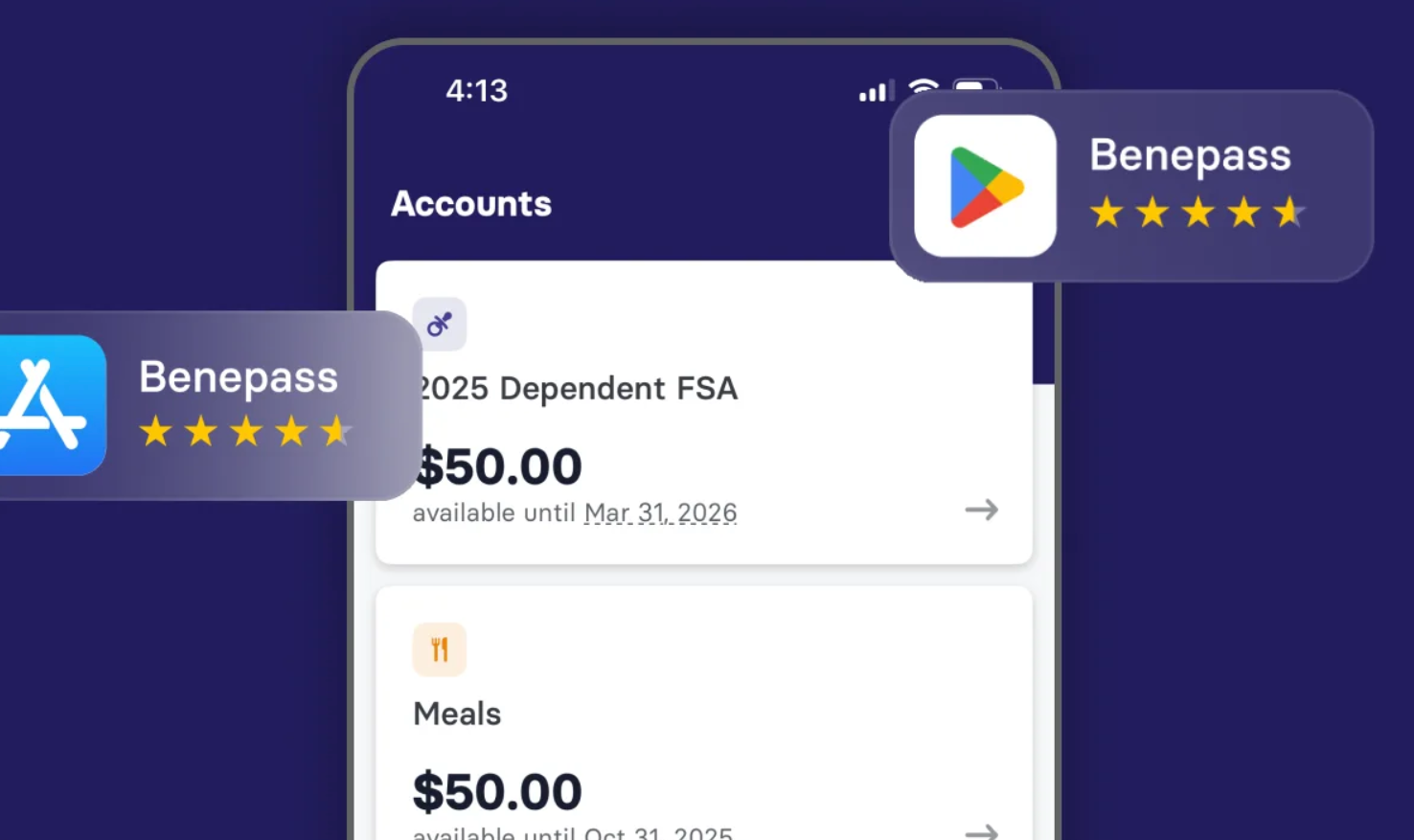
For each supplemental option, estimate realistic usage from your survey data, then weigh that against the cost. Flexible, employee-directed benefits earn their keep on exactly this measure: rather than betting a fixed sum on one rigid perk and hoping people want it, you give employees dollars they allocate themselves, which moves the utilization risk off your shoulders.
Benepass data backs this up, with lifestyle spending accounts seeing an average utilization rate of 83% because employees only spend on what they value. Our guide to cost-effective employee benefits goes deeper into stretching a fixed budget.
Vet providers on compliance, integration, and support
Once you've chosen the benefits, choose a benefits administration system. A strong benefit delivered through a weak provider becomes a source of employee frustration and HR overhead. Evaluate each provider on three fronts:
- Compliance. Confirm the provider keeps you aligned with IRS, ERISA, and any state requirements tied to the benefit, especially for accounts with tax advantages where the rules are strict.
- Integration. Check how the provider connects with your existing payroll and HRIS so enrollment, contributions, and deductions stay accurate without manual data entry.
- Support. Look at the provider's track record on responsiveness and employee experience, because the quality of day-to-day support determines whether employees use the benefit confidently or give up on it.
Consolidating multiple benefits with one provider cuts the number of vendors your team manages and the logins employees juggle, both of which tend to lift participation.
Types of employee benefits to evaluate
With your framework in place, you need a map of the options to apply it to. Most benefits fall into a handful of categories, and reviewing them by category helps you spot where your workforce has a concentrated need.
- Health and pre-tax accounts. Health insurance anchors most packages, and pre-tax accounts extend it. Health savings accounts (HSAs), flexible spending accounts (FSAs), commuter benefits, vision insurance, and health reimbursement arrangements let employees cover eligible costs with pre-tax dollars, lowering their taxable income and your payroll tax burden.
- Retirement and financial benefits. A 401(k), often with an employer match, is the foundation here. Financial wellness support, student loan assistance, and emergency savings programs increasingly sit alongside it as employees ask for help with present-day money pressure, not just long-term saving.
- Lifestyle and wellness benefits. This category covers fitness, mental health, professional development, and work-from-home support, frequently delivered through lifestyle spending accounts that let employees direct funds to work-life balance measures they value.
- Family and time-off benefits. Paid time off, parental leave, childcare and dependent care support, and fertility or adoption benefits matter enormously to some segments of your workforce and far less to others, which makes survey data essential before you commit budget here.
You don't need something from every category, only the categories that match the people you actually employ, funded at a level that makes each benefit genuinely useful rather than nominal.
Balancing employee needs with budget and compliance
The hardest part of choosing employee benefits plans is that one fixed budget has to serve a workforce with genuinely different needs, without creating compliance exposure or burying your team in administrative work.
Rigid, one-size employee benefits packages break down on the first of those pressures. If you spend your supplemental dollars on a single perk, you've bet that most of your workforce wants that specific thing, and the unused portion is pure waste. Employee-directed benefits resolve this by letting a single budget serve many needs at once.
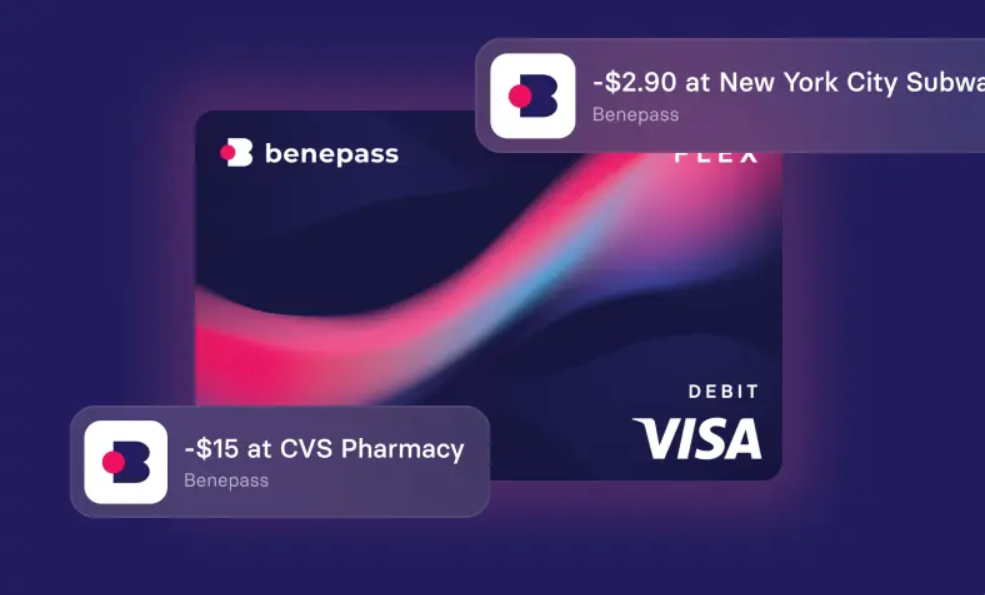
A flexible benefits plan gives every employee the same dollar amount to spend on what matters to them, so one allocation covers the parent, the new grad, and the employee nearing retirement without you predicting each preference.
Flexibility also lifts the benefits you already offer. Benepass data shows employers offering both an FSA and a lifestyle spending account see 85% FSA utilization, versus 79% for those running fragmented programs. Once employees actively use one flexible account, they pay closer attention to their other benefits and leave fewer dollars unspent.
On compliance, risk grows with the number of vendors and the complexity of the rules. Tax-advantaged accounts carry strict IRS requirements, and global teams add country-by-country variation. Consolidating benefits onto one platform with built-in compliance support reduces both the administrative load and the chance of a costly mistake. Our guide on educating employees about pre-tax benefits covers communication that drives confident use.
The best benefits choice is the one your team uses
A shorter list of well-used benefits beats a long list of ignored ones. The package that wins isn't measured by how many offerings it holds, but by how many employees recognize their own needs and reach for what you've funded. Getting there comes down to a single discipline: let real employee need, confirmed through data and feedback, drive the selection instead of assumption or vendor pressure.
That's also why employee-directed flexibility keeps coming up. When you give people choice within a budget you control, you stop guessing which benefits will land and let utilization sort itself out. Benepass brings pre-tax accounts, lifestyle spending accounts, and wellness programs onto a single platform, so HR keeps full control of budget and compliance while employees direct their own dollars. For how the pieces fit together, our overview of what to look for in an employee benefits platform is a useful next read.
Learn how Benepass gives employees the freedom to choose the benefits that matter to them while HR keeps full control of budget and compliance.
Frequently asked questions
What benefits do employees value most?
Healthcare consistently ranks first. In the 2025 SHRM Employee Benefits Survey, 88% of organizations rated health care as the most important category. Below that, value splits sharply by group: flexible work, family care, and professional development each matter intensely to some segments and little to others. That spread is exactly why surveying your own workforce beats relying on national averages.
How do you choose benefits on a limited budget?
Fund legally required and core benefits first, then spend what remains where your survey data shows concentrated need. On a tight budget, employee-directed benefits like lifestyle spending accounts stretch furthest, because a single allocation lets each employee spend on what they value rather than locking your dollars into one perk most people won't use.
Should employees have a say in which benefits are offered?
Yes. Employee input is what separates a used benefit from a wasted line item. Gathering feedback through surveys and focus groups tells you which needs are real and concentrated enough to fund, and benefits that let employees direct their own dollars build that choice directly into how the program works.

Frequently Asked Questions