In this post
Lorem ipsum dolor sit amet
Lorem ipsum dolor sit amet
Every open enrollment, the same scenario comes up: an employee on a high-deductible health plan wants to set aside pre-tax dollars for a dental cleaning or a new pair of eyeglasses, but signing up for a standard healthcare flexible spending account (FSA) would mean losing HSA eligibility for the rest of the year.
A limited purpose FSA (LPFSA) exists to solve exactly that problem. It lets employees pay for dental and vision expenses with pre-tax money while keeping their HSA fully intact for medical costs, which could be a large part of why it’s growing more popular—among the pre-tax customer dataset in the 2026 Benepass Benefits Benchmarking Report, 69% of companies offer LPFSAs.
For HR leaders and benefits administrators, understanding how this account works, who qualifies, and how to administer it correctly is central to running a clean open enrollment. Get the distinction wrong in your enrollment materials, and you'll spend the first quarter of the plan year untangling elections that need to be corrected.
Here's what you need to know to explain, offer, and manage a limited purpose FSA with confidence.
What is a limited purpose FSA?
A limited purpose FSA (LPFSA) is a flexible spending account that reimburses employees only for dental and vision expenses, plus post-deductible medical costs where the plan allows it. Unlike a standard healthcare FSA, it doesn't cover general medical expenses like doctor visits or prescriptions.
That narrow scope is the entire point. Because LPFSA reimbursements stay limited to dental and vision, they don't overlap with the medical expenses an HSA is designed to cover. That lack of overlap is exactly why the IRS allows employees to hold both an LPFSA and an HSA at the same time, something that isn't possible with a standard healthcare FSA.
The LPFSA is governed by Internal Revenue Code Section 125 and detailed further in IRS Publication 969, which covers HSAs and other tax-favored health plans. Employers offer LPFSAs through a Section 125 cafeteria plan, the same framework that governs other pre-tax accounts like healthcare FSAs and commuter benefits.
2026 limited purpose FSA contribution limits
For 2026, employees can contribute up to $3,400 to a limited purpose FSA, the same limit that applies to standard healthcare FSAs. That figure comes from IRS Revenue Procedure 2025-32, which sets the annual dollar limit on employee salary reductions to health flexible spending arrangements under Section 125(i).
If a plan allows carryover, employees can carry over up to $680 of unused funds into the following plan year, also set by Rev. Proc. 2025-32.
For HR teams communicating both accounts together during open enrollment, it's worth having the 2026 HSA limits on hand too. Per IRS Revenue Procedure 2025-19, employees with self-only HDHP coverage can contribute up to $4,400 to an HSA in 2026, and those with family coverage can contribute up to $8,750.
Actual elections tend to land well below these ceilings. According to the 2026 Benepass Benefits Benchmarking Report, employees enrolled in an LPFSA contribute a median of $800 a year, and only 14% max out at the IRS limit. That gap suggests most employees elect based on the dental and vision expenses they actually expect to have, not the maximum they're allowed to set aside, which is exactly where clearer guidance at enrollment can help.
What does a limited purpose FSA cover?
An LPFSA covers a defined set of dental, vision, and, in some plans, post-deductible medical expenses.
Dental expenses
Eligible dental expenses include cleanings, exams, X-rays, fillings, crowns, orthodontia, and other dental procedures for the employee, their spouse, and eligible dependents. Cosmetic procedures that aren't medically necessary generally don't qualify.
Vision expenses
Vision coverage includes eye exams, prescription glasses and frames, contact lenses and solution, and laser vision correction procedures like LASIK. Non-prescription sunglasses and other items without a medical purpose are excluded.
Post-deductible medical expenses (where applicable)
Some employers design their LPFSA to also reimburse medical expenses once the employee has met their HDHP's minimum statutory deductible for the year. This post-deductible feature is optional, and plan documents need to spell out exactly when it applies and what it covers.
Who is eligible for a limited purpose FSA?
Eligibility for an LPFSA depends on the employee's health coverage, not their job title or tenure. Employees qualify if they're enrolled in an HSA-qualified HDHP and also hold an HSA. Self-employed individuals, retirees, independent contractors, and 2% S-corp shareholders aren't eligible, regardless of their health coverage, because they don't participate in an employer's Section 125 cafeteria plan.
The most common open enrollment mistake is worth flagging directly: employees enrolled in a standard healthcare FSA cannot simultaneously contribute to an HSA. If an employee elects a healthcare FSA and then tries to open an HSA in the same plan year, they'll run into an eligibility conflict that has to be corrected, often well after the fact and sometimes with tax consequences for the employee.
The LPFSA is the only FSA type that preserves HSA eligibility, so communicating that distinction clearly at open enrollment prevents a costly mid-year correction and the back-and-forth that comes with it.
Limited purpose FSA vs. healthcare FSA vs. HSA
HR leaders juggling all three account types need a quick way to explain the practical differences to employees.
- Healthcare FSA: This option covers broad medical expenses, doesn't require an HDHP, is owned by the employer, and follows a use-it-or-lose-it structure, with an optional rollover or grace period.
- HSA: An HSA requires an HDHP, is owned by the employee for life, and lets balances roll over indefinitely. Funds can also be invested for long-term growth.
- Limited purpose FSA: These require both an HDHP and an HSA, are restricted to dental and vision expenses (plus post-deductible medical in some plans), are owned by the employer, and typically offer a carryover or grace period.
The strategic pairing logic matters more than the technical distinctions. An LPFSA handles predictable annual dental and vision costs pre-tax, which preserves more HSA dollars for high-deductible healthcare spending or long-term, tax-advantaged savings. Employees who understand how these account types fit together are more likely to elect contribution amounts that match their actual needs instead of guessing.
How HR leaders can offer a limited purpose FSA
Offering an LPFSA takes more than checking a box during benefits renewal. A few pieces need to be in place.
- Set it up through a Section 125 cafeteria plan. The LPFSA must be part of a Section 125 cafeteria plan, with a written plan document that specifically restricts reimbursements to dental, vision, and any post-deductible categories the plan chooses to include.
- Confirm administration through a qualified TPA. The plan needs a third-party administrator who can process LPFSA claims correctly and keep them separate from healthcare FSA and HSA activity.
- Run nondiscrimination testing. Section 125 plans, including LPFSAs, are subject to nondiscrimination testing requirements that confirm the plan doesn't disproportionately benefit highly compensated employees.
- Communicate the distinction clearly at open enrollment. Employees need to understand both that the LPFSA exists and why it's a separate election from the healthcare FSA. Without that context, employees tend to default to whichever account sounds most familiar, which is usually the wrong one for their situation.
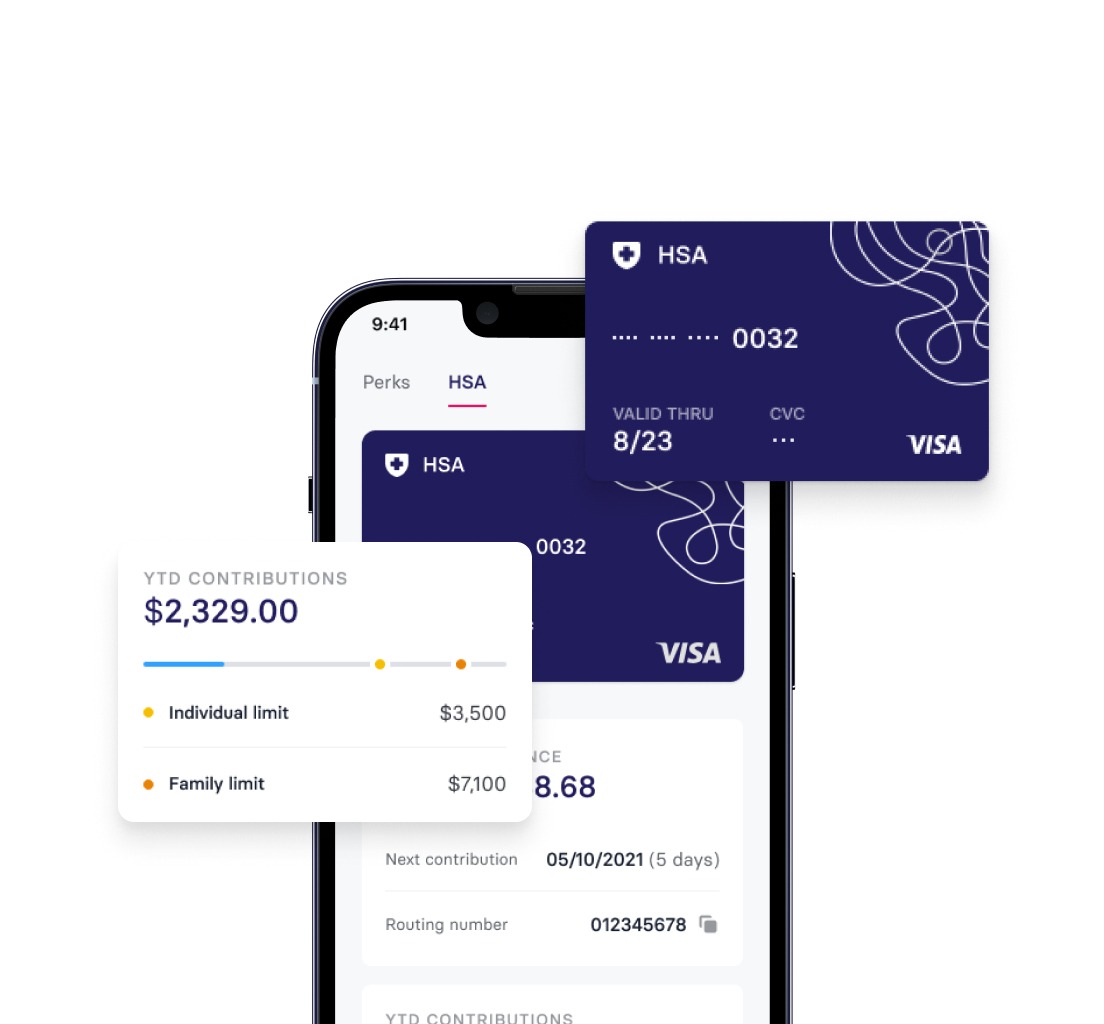
Benepass supports LPFSAs as part of the same pre-tax benefits platform that administers healthcare FSAs, HSAs, dependent care FSAs, and commuter accounts. Employees manage every account, including their LPFSA, through one card and one app instead of juggling separate vendor logins for each account type. That consolidation also keeps HR teams from managing multiple point solutions just to offer a complete pre-tax benefits package.
Ready to see it in action?
If you want to see how a single platform can handle LPFSAs, HSAs, and every other pre-tax account without separate vendors for each one, book a demo with Benepass.
Frequently asked questions about limited purpose FSAs
Can an employee have both an HSA and a limited purpose FSA at the same time?
Yes. An LPFSA is specifically designed to work alongside an HSA. Because it only reimburses dental and vision expenses, it doesn't create the coverage overlap that would otherwise disqualify an employee from HSA eligibility. LPFSAs were created to give employees a pre-tax way to cover dental and vision costs without giving up their HSA.
What happens if an employee leaves before using their limited purpose FSA balance?
It depends on the plan's design and the timing of the departure. If the plan includes a run-out period, the employee can still submit claims for eligible expenses incurred before their termination date. Unused funds beyond any carryover or grace period the plan allows are generally forfeited, consistent with the use-it-or-lose-it structure most LPFSAs follow.
How should HR teams communicate the difference between a healthcare FSA and a limited purpose FSA during open enrollment?
Lead with the HSA connection, since that's the detail that actually changes which account an employee should pick. Explain plainly that choosing a healthcare FSA means giving up HSA eligibility for the year, while an LP-FSA preserves it. Pair that explanation with a simple side-by-side of what each account covers, and flag the one enrollment error to avoid: electing a healthcare FSA while also trying to open or fund an HSA.

Frequently Asked Questions